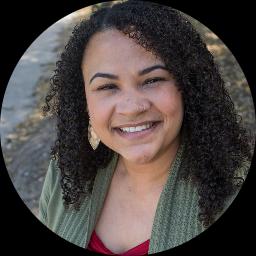
About Alina
Alina Turpin is a licensed marriage and family therapist with 11 years of clinical experience in California. She draws on personal and professional insight to help people name their feelings, find clarity, and use their strengths.
Background and approach
Her style mixes direct feedback with warmth and empathy to help people move forward one step at a time. She often works with people who identify as highly sensitive, intuitive, or empathic.
Many clients describe complex identities, including those in LGBTQIA+ and non-heteronormative communities, and people exploring consensual non-monogamy or alternative sexual cultures. She aims to make space for identity, shadow work, and consensual deviation from dominant social norms.
Alina focuses on trauma and its effects, including sexual abuse trauma, relational trauma, and PTSD. She also helps people coping with depression, anxiety, grief, anger, shame, guilt, and the fallout from infidelity or domestic abuse.
Sessions tend to balance insight with practical, doable steps for daily life. She also addresses attachment wounds, abandonment, codependency, communication problems, and the stress of caregiving.
Topics such as dissociation, family of origin issues, and forgiveness are part of her practice. The aim is to build emotional safety and deeper self-knowledge.
Her approach includes asking questions, offering empathic reflections, and giving clear guidance when needed. Clients work toward greater self-alignment and improved relationships through sustained, paced change.
Approaches that support trauma and relationship work
Alina uses evidence-based therapeutic techniques to address trauma and relational wounds. One approach focuses on helping people process traumatic memories and the emotions tied to them, so distress becomes more manageable and daily life feels less reactive. Another approach targets attachment and relationship patterns, helping people recognize how early bonds shape how they relate now and practice new ways of connecting.Finding the right approach is part of the work together. She will listen to your goals and preferences and then suggest methods that fit your situation. This is a collaborative process and adjustments are made as progress is reviewed.
Online therapy offers several practical benefits for this kind of work. Video calls allow fuller interaction and nonverbal cues during deeper sessions. Phone sessions can be a lower-bandwidth option when a quick check-in or focused conversation is needed. Live chat and text-based messaging make it easier to share thoughts between sessions or use shorter, more frequent check-ins when that helps maintain momentum.
Frequently asked questions
What concerns does she help with?
How would you describe her therapy style?
What is her clinical background?
Where is she licensed and based?
Can sessions be conducted in other languages?
Does she see clients outside the U.S.?
What session formats are available?
How are sessions paid for and how do I begin?
Specialties and expertise
Top specialties
- LGBT
- Relationship issues
- Trauma and abuse
Also works with
- Abandonment
- Attachment issues
- BDSM, kink, and alternative sex culture
- Caregiver issues and stress
- Codependency
- Communication problems
- Control issues
- Coping with life changes
- Coping with natural or human-caused disaster
- Dissociation
- Divorce and separation
- Emptiness
- Family of origin issues
- Family problems
- Forgiveness
- Gender dysphoria
- Grief
- Guilt and shame
- Isolation / loneliness
- Jealousy
- Life purpose
- Midlife crisis
- Mood disorders
- Multicultural concerns
- Narcissism
- Polyamory / non-monogamous relationships
- Post-traumatic stress
- Self-love
- Sexual assault and abuse
- Sexuality
- Women's issues
- Workplace issues
- Experience
- 11 years
- Licensed
- California
- Languages
- English