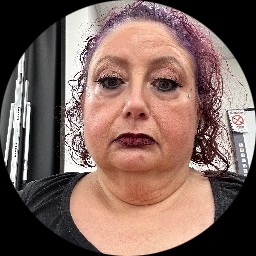
Glenda Dillingham, LMFT
Calm, experienced support for relationship and identity concerns
About Glenda
Glenda Dillingham helps people manage stress, anxiety, relationship struggles, depression, trauma, and LGBT concerns. She is a Licensed Marriage and Family Therapist with three decades of clinical experience in California.
Background and approach
Her manner is respectful and direct, and she focuses on practical steps people can use right away. Glenda adapts conversations and plans to each person’s needs.
She listens for what matters most and suggests approaches that fit daily life. Sessions aim to reduce overwhelming moments and build skills for clearer thinking and steadier emotions.
Her background includes work with first responders, veterans and armed forces issues, hospice and end-of-life counseling, and gender dysphoria. She has also addressed infidelity, jealousy, obsessive-compulsive patterns, paranoia, personality concerns, multicultural issues, and non-monogamous relationships.
This experience informs a wide view of how stressful events affect relationships and identity. Glenda uses methods that focus on emotions, attachment patterns, and practical thinking skills.
She often draws on client-centered work, cognitive behavioral techniques, dialectical strategies, emotionally-focused approaches, and attachment-based ideas to customize strategies. People can expect a collaborative conversation that balances empathy with clear tools.
The therapist aims to empower clients to try new behaviors, notice what changes, and adjust the plan as needed. The tone in sessions is calm, direct, and supportive.
Therapeutic approaches and online care
Attachment-Based Therapy looks at how early bonds shape current relationships and emotional patterns. It helps when trust, closeness, or repeated conflict feel stuck. Cognitive Behavioral Therapy, or CBT, focuses on spotting unhelpful thoughts and shifting behaviors to reduce anxiety or depression. It’s useful for stress, compulsions, and mood changes. Emotionally-Focused Therapy centers on identifying and changing the emotions that drive relationship patterns, which can help with partner conflict and attachment wounds.Finding the right approach is part of the work. The therapist will talk with each person about goals, symptoms, and what feels most useful. Together they figure out whether to focus on emotions, thoughts and behaviors, or attachment needs, and adapt methods as progress is seen.
Online therapy offers flexible ways to meet. Video calls let people read facial cues and have longer conversations. Phone sessions work when bandwidth is limited or when a check-in feels easier without video. Live chat and text-based messaging allow brief updates, coaching between sessions, and quicker check-ins that fit a busy schedule.
Frequently asked questions
What kinds of problems does Glenda address?
What is her therapeutic style like?
How much clinical experience does she have?
What credential does she hold and where is she located?
Are sessions available in languages other than English?
Which session formats are offered?
How are fees and payments handled?
What should I do to begin working together?
Specialties and expertise
Top specialties
- Stress, Anxiety
- LGBT
- Relationship issues
Also works with
- Depression
- First responder issues
- Gender dysphoria
- Hospice and end-of-life counseling
- Infidelity
- Jealousy
- Multicultural concerns
- Obsessions, compulsions, and OCD
- Paranoia
- Personality disorders
- Polyamory / non-monogamous relationships
- Trauma and abuse
- Veteran and Armed Forces Issues
Therapeutic approaches
- Attachment-Based Therapy
- Client-Centered Therapy
- Cognitive Behavioral Therapy (CBT)
- Dialectical Behavior Therapy (DBT)
- Emotionally-Focused Therapy (EFT)
- Eye Movement Desensitization and Reprocessing (EMDR)
- Mindfulness Therapy
- Motivational Interviewing
- Narrative Therapy
- Psychodynamic Therapy
- Somatic Therapy
- Trauma-Focused Therapy
- Internal Family Systems
- Experience
- 30 years
- Licensed
- California
- Languages
- English