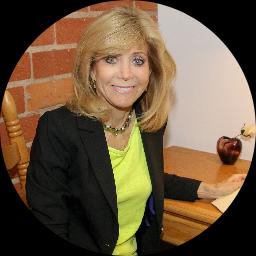
Nancy Lichtenstein, LMFT
Supportive therapist for addiction and trauma recovery
About Nancy
Nancy Lichtenstein is a licensed California marriage and family therapist with 30 years of experience helping people facing addiction, trauma, relationship and intimacy concerns. She focuses on creating an atmosphere where someone can speak plainly about hard things and feel heard.
Background and approach
Taking the first step can feel scary and she aims to make that step easier to take. She works by listening first and asking practical questions to understand what matters most.
Sessions are a mix of talking, problem-solving, and deciding on small steps to try between meetings. Nancy keeps language simple and avoids clinical jargon so clients can focus on change rather than labels.
Her background includes decades of clinical work with a broad range of concerns such as depression, grief, bipolar mood challenges, ADHD, and eating or sleeping difficulties. She also addresses issues related to LGBT concerns, HIV and AIDS, infidelity, and multicultural stressors.
This range comes from long experience in California mental health settings. Clients meet with a steady, experienced clinician who balances empathy with clear direction.
Nancy helps people set realistic goals and track progress in ways that fit their daily life. She encourages practical strategies for parenting, career stress, compassion fatigue, and veteran-related issues.
Sessions can focus on immediate coping skills or longer-term change depending on the person's goals. Nancy supports people through hard transitions and helps them rebuild trust in themselves and their relationships.
Evidence-based approaches and online care
Many therapists with long experience use evidence-based techniques that focus on present-day problems and skills. One common approach emphasizes coping skills and behavioral changes - it breaks problems into small, doable steps and practices new habits to reduce symptoms and improve daily routines. This can help with addictions, sleep and eating problems, and mood swings.Another useful approach focuses on processing trauma and its effects through paced sessions that help a person make sense of traumatic memories and reduce their hold on daily life. That work can reduce avoidance and improve relationships and intimacy over time.
Finding the right approach is part of the process. The therapist works collaboratively to match methods to a person's goals, needs, and comfort level, and will adjust strategies as progress is made.
Online therapy offers practical flexibility. Video calls let people see facial cues and have deeper conversations. Phone sessions can be easier when video or bandwidth is limited. Live chat and text-based messaging allow short check-ins, quick troubleshooting, or continued contact between longer sessions. These options make it simpler to fit therapy into a busy life and keep continuity of care when schedules change.
Frequently asked questions
What concerns does Nancy help with?
What is her general approach in sessions?
How much clinical experience does she have?
What credentials and location are listed?
Which languages are used in sessions?
What session formats are available?
How does billing and cost work?
How do I begin working with her?
Specialties and expertise
Top specialties
- Addictions
- Relationship issues
- Trauma and abuse
Also works with
- ADHD
- Bipolar disorder
- Career difficulties
- Compassion fatigue
- Depression
- Eating disorders
- Family conflicts
- Grief
- HIV / AIDS
- Infidelity
- Intimacy-related issues
- LGBT
- Multicultural concerns
- Parenting issues
- Sleeping disorders
- Veteran and Armed Forces Issues
- Experience
- 30 years
- Licensed
- California
- Languages
- English