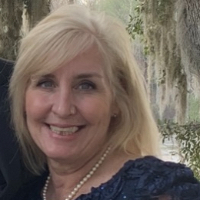
Frances Patton
LMFTSouth Carolina
- 13 yrs practicing
Stress, Anxiety · Relationship · Intimacy-related issues · +10
Read profileTherapist listings on this page link to BetterHelp. We will earn a commission if you sign up through one of those links, at no extra cost to you.
Welcome to our directory for online therapists serving South Carolina. All therapists listed here are licensed in South Carolina; explore profiles to learn about approaches, languages, and experience.
Use the listings below to discover professionals whose focus areas and therapeutic styles match what you are looking for.
South Carolina
Stress, Anxiety · Relationship · Intimacy-related issues · +10
Read profileSouth Carolina
Stress, Anxiety · Relationship · Grief · +2
Read profileSouth Carolina
Stress, Anxiety · Relationship · Family · +3
Read profileSouth Carolina
Stress, Anxiety · Relationship · Family · +15
Read profileSouth Carolina
Stress, Anxiety · Relationship · Trauma and abuse · +2
Read profileSouth Carolina
Stress, Anxiety · Relationship · Family · +14
Read profileSouth Carolina
Stress, Anxiety · Relationship · Parenting · +9
Read profileSouth Carolina
Stress, Anxiety · Relationship · Self esteem · +12
Read profileSouth Carolina
Stress, Anxiety · Addictions · Trauma and abuse · +6
Read profileSouth Carolina
Stress, Anxiety · Relationship · Family · +10
Read profileSouth Carolina
Stress, Anxiety · Trauma and abuse · Self esteem · +2
Read profileSouth Carolina
Stress, Anxiety · Relationship · Parenting · +2
Read profileOnline therapy has become an established way to connect with mental health professionals across South Carolina, offering a range of services from short-term coaching-style work to longer-term psychotherapy. You will find licensed clinicians who offer sessions remotely from offices within the state. Many profiles describe areas of focus, therapeutic approaches, and the populations they work with. Because each clinician lists their own specialties and methods, reading profile details helps you understand the kinds of support they emphasize. For people living in urban centers as well as rural communities across South Carolina, remote sessions can remove travel barriers and make it easier to fit care into a busy schedule.
Regulatory frameworks and practice norms can influence how online therapy is delivered, so practitioners often include notes about telehealth on their profiles. While this directory highlights licensed professionals, it is still helpful to read a clinician's profile carefully to see whether their described focus and approach align with the kind of help you want. Profiles often mention the types of clients they commonly work with, whether they emphasize family systems, trauma-informed care, or symptom-focused interventions. That descriptive information gives you a starting point when you begin to narrow down options.
Online therapy can offer practical benefits whether you live in a city like Charleston or a smaller town inland. You can connect from your home or another comfortable environment without losing time to commuting. That convenience helps you maintain continuity when life events or travel make in-person visits difficult. For caregivers, shift workers, or people with mobility limitations, remote sessions can reduce the logistical burden connected to receiving care.
Another advantage is expanded choice. If your local area has few therapists who work with a specific population or issue, online options increase the number of professionals whose profiles you can review. Some therapists list specialized approaches, and you may find clinicians who list EMDR among their approaches or those who list cognitive-behavioral methods among their approaches. That variety lets you prioritize the therapeutic style and focus most relevant to your needs, whether you are managing relationship challenges, mood concerns, or life transitions.
Online therapists in South Carolina address many of the same life and mental health matters that in-person clinicians do. You might seek support for stress, anxiety, or depression, or for relationship and family issues such as parenting, marital conflict, or blended family dynamics. Therapists also work with individuals coping with grief, identity questions, or workplace stress. Some profiles emphasize experience with adolescent development, while others highlight work with adults navigating midlife changes.
Therapists often describe problems in terms of functional goals - improving communication, reducing avoidance behaviors, or building coping skills for emotional regulation. If trauma is part of your history, you will find clinicians who describe trauma-informed approaches and those who list EMDR among their approaches, while others may describe integrative or relational methods. Reviewing how a therapist frames their work gives you an idea of whether they focus on symptom management, relational patterns, or developmental context, which can help you decide which clinicians to explore further.
Verifying licensure is an important step when you are evaluating online therapists. Start with the state agency that handles professional licensing to confirm a clinician's status and any public records. The South Carolina state website provides searchable tools where you can look up license type, license number, expiration date, and any formal actions that are part of the public record. When you search, use the clinician's full name and the professional license designation shown on their profile.
When you review licensing information, pay attention to the license type listed and whether it matches what the therapist lists on their profile. Licensing lookup pages will often display whether a license is active and whether there are any restrictions or public disciplinary actions. If you need clarification about what you find, the state licensing office can usually provide guidance on interpreting records. It is also reasonable to ask a therapist directly about their licensure and practice location when you reach out, since therapists are typically able to explain the scope of their practice, the populations they serve, and the states where they are authorized to provide services.
Before you contact a therapist, take a moment to identify what you want from therapy. Are you seeking short-term support for a specific issue, or are you looking for ongoing work focused on relationships, trauma, or life transitions? Clarifying your goals will help you read profiles with purpose. Note the approaches and populations that appeal to you - for example, therapists who list cognitive-behavioral strategies among their approaches or those who list family systems methods among their approaches. You can also consider practical preferences such as the clinician's stated experience with certain age groups or languages spoken.
When you contact a therapist, you may want to ask about their general approach to treatment, the kinds of issues they work with most often, and how they describe progress. It is appropriate to inquire about fees, payment methods, and whether the clinician accepts your insurance or processes claims in a way that works for you. You can also ask about session length, typical therapeutic pacing, and any materials or assessments they use. These practical details help you envision what working together might look like and whether the therapist's style fits your expectations.
Choosing a therapist is often about fit more than titles or listed modalities. Profiles are a snapshot that highlight focus areas and therapeutic approaches. You will get the clearest sense of fit by reading how a therapist describes their work and, when possible, having a preliminary conversation to see how you feel talking with them. Trust your instincts about whether the clinician's communication style and explanations align with the kind of help you prefer. If you do not feel a strong rapport after an initial exchange, it is reasonable to continue searching until you find someone whose approach and manner resonate with you.
Finally, remember that starting therapy is a process. It is normal to take time to settle into the work and to revisit your goals as you progress. By focusing on licensed professionals, reviewing profiles for approach and experience, and asking practical questions up front, you can make an informed choice about who to contact for online therapy in South Carolina.
Addictions
871 therapists
ADHD
677 therapists
Anger
1033 therapists
Bipolar
573 therapists
Chronic Illness
330 therapists
Chronic Pain
330 therapists
Compulsion
349 therapists
Control Issues
830 therapists
Depression
1875 therapists
Disaster Relief Therapy
333 therapists
Dissociation
217 therapists
Domestic Violence
418 therapists
Eating Disorders
344 therapists
Gambling
293 therapists
Grief
1313 therapists
Guilt and Shame
1428 therapists
Impulsivity
622 therapists
Intimacy Issues
963 therapists
Isolation / Loneliness
1295 therapists
Midlife Crisis
828 therapists
Mood Disorders
958 therapists
Obsession
349 therapists
OCD
349 therapists
Panic Disorder and Panic Attacks
800 therapists
Phobias
236 therapists
Post-Traumatic Stress
1110 therapists
Postpartum Depression
458 therapists
Seasonal Affective Disorder (SAD)
428 therapists
Self Esteem
1850 therapists
Self-Harm
392 therapists
Sexual Trauma
411 therapists
Sleeping Disorders
347 therapists
Social Anxiety and Phobia
1133 therapists
Stress & Anxiety
2250 therapists
Trauma and Abuse
1526 therapists
Abandonment
860 therapists
Adoption
331 therapists
Aging and Geriatric Issues
430 therapists
Attachment Issues
1096 therapists
Blended Family Issues
745 therapists
Body Image
581 therapists
Career
891 therapists
Caregiver Issues and Stress
907 therapists
Codependency
791 therapists
Commitment Issues
591 therapists
Communication Problems
1823 therapists
Compassion Fatigue
736 therapists
Coping with Life Changes
1632 therapists
Divorce
1154 therapists
Family
1513 therapists
Family of Origin Issues
908 therapists
Fatherhood Issues
382 therapists
Fertility Issues
214 therapists
First Responder Issues
321 therapists
Forgiveness
1327 therapists
Foster Care
331 therapists
Hospice and End-of-Life Counseling
290 therapists
Infidelity
676 therapists
Jealousy
477 therapists
Life Purpose
1584 therapists
Money and Financial Issues
473 therapists
Parenting
1202 therapists
Pregnancy
456 therapists
Relationship
2002 therapists
Self-Love
1507 therapists
Separation
1154 therapists
Sexuality
512 therapists
Workplace Issues
961 therapists