Marriage and family therapists in Florida
Welcome to our directory of online therapists serving Florida. All therapists listed here are licensed in Florida - explore profiles to compare approaches, specialties, credentials, languages and experience.
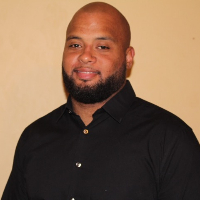


Michael Flatley
LMFTFlorida
- 24 yrs practicing
Stress, Anxiety · Relationship · Family · +12
Read profile
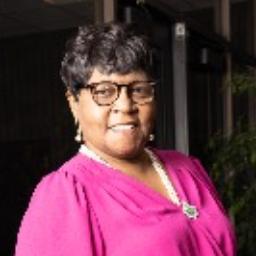
Nita Scott
LMFTFlorida
- 30 yrs practicing
Family · Intimacy-related issues · Stress, Anxiety · +13
Read profile

Orlando Garcia
LMFTFlorida
- 29 yrs practicing
- 2 languages
Stress, Anxiety · Relationship · Family · +14
Read profile
Thomas Corwell
LMHC, LMFTFlorida
- 40 yrs practicing
Stress, Anxiety · Addictions · Relationship · +12
Read profile





Shannon Salgado
LMFTFlorida
- 15 yrs practicing
Stress, Anxiety · Addictions · Relationship · +2
Read profile
Vivian Pazos
LMFTFlorida
- 20 yrs practicing
- 2 languages
Stress, Anxiety · Relationship · Family · +2
Read profile



Julian Echeverry
LMFTFlorida
- 20 yrs practicing
- 2 languages
Stress, Anxiety · Relationship · Trauma and abuse · +2
Read profile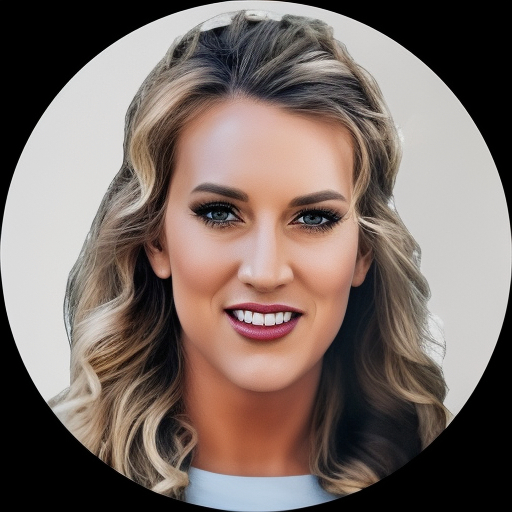

Linda Hart
LMFTFlorida
- 15 yrs practicing
Relationship · Family · Intimacy-related issues · +2
Read profile

Gabriele Cash
LMFTFlorida
- 15 yrs practicing
Stress, Anxiety · Self esteem · Depression · +12
Read profile



Dr. Sarah Walker
LMFTFlorida
- 11 yrs practicing
Stress, Anxiety · Relationship · Family · +14
Read profile

Erica Keller
LMFT, LMHCFlorida
- 11 yrs practicing
Relationship · Family · Trauma and abuse · +11
Read profile
Callie Baquero
LMFTFlorida
- 9 yrs practicing
Stress, Anxiety · Relationship · Parenting · +9
Read profile
Camilo Delgado
LMHC, LMFTFlorida
- 35 yrs practicing
- 2 languages
Stress, Anxiety · Family · Trauma and abuse · +12
Read profileOverview of online therapy availability in Florida
Online therapy has become a widely used option for people across Florida, from urban centers to rural communities. The shift toward remote counseling reflects broader changes in the way mental health services are delivered, allowing conversations that once required in-person meetings to happen by video or phone. In Florida, licensed mental health professionals can offer services through digital platforms as part of their practice, and many therapists list online sessions among the approaches they provide. While exact offerings vary by clinician, you will find counselors, marriage and family therapists, clinical social workers and psychologists who describe online therapy on their profiles. When exploring options you will encounter a range of session styles, from short-term focused therapy to ongoing support, and a variety of communication formats including live video, phone sessions and text-based messaging. Keep in mind that a therapist listing online services indicates they include remote sessions in their practice rather than guaranteeing a particular format for every situation. As you review profiles, pay attention to the modalities and specialties each therapist lists so you can identify professionals who align with your needs and preferences.
Regulatory context and practice across distance
Regulation of telehealth and online psychotherapy is handled at the state level, and Florida has rules that govern how licensed providers deliver care remotely. Those rules affect how therapists verify identity, maintain records and communicate with clients across state lines. If you are moving between states or spending extended time outside Florida, check the licensing and telehealth information on the state board website for guidance about cross-jurisdictional practice. Understanding the regulatory context can help you know what to expect from an online therapy relationship and what protections apply to your interactions.
Benefits of online therapy for Florida residents
Online therapy can reduce practical barriers to care that often affect people in Florida, such as long commutes, limited local options for specific specialties and scheduling constraints. You can connect with a therapist from your home, a parked car between errands or another quiet setting that suits you, which can make it easier to keep appointments and maintain continuity of care. For people living in rural counties or on barrier islands, online sessions may broaden access to clinicians who specialize in particular issues or work with certain populations. Another advantage is flexibility - many therapists who list online services are able to offer different session formats that fit diverse lifestyles. If you have mobility needs, a chronic medical condition or caregiving responsibilities, remote sessions can reduce the logistical burden of traveling to an office. Online therapy can also make it easier to find a clinician who shares your language or cultural background, since geography is less of a constraint when sessions occur remotely.
Considerations about the therapy experience
While online work can be convenient, it also asks you to think about the environment where you will meet with a therapist. Successful remote therapy often depends on having a distraction-managed space, reliable technology and a plan for handling interruptions. You should consider how you will ensure a consistent, comfortable environment for sessions and what you will do if a session is interrupted or you need help between appointments. Many people find online work to be equally meaningful to in-person care when the therapist-client relationship is a strong fit.
What types of issues online therapists in Florida commonly help with
Therapists who list online services in Florida address a wide range of concerns, from everyday stress and relationship challenges to ongoing mood and anxiety issues. You will find clinicians who describe experience helping with life transitions, grief, parenting concerns, work-related stress, coping with health conditions and building skills for emotion regulation. Some therapists emphasize work with specific populations such as young adults, older adults, couples, parents or LGBTQ+ clients, and many list particular approaches they use to guide sessions. If you are seeking support for a specific diagnosis or symptom, online therapists often provide therapy aimed at symptom management, behavioral change, skill-building and improving overall functioning. Because approaches vary, look for profiles that describe focus areas and client populations so you can find someone whose experience matches the challenges you want to address.
Limitations and when to consider other options
There are situations where in-person care or additional services may be more appropriate than online-only therapy. If you have concerns that involve immediate risk or require urgent emergency intervention, reach out to local crisis services or your primary care provider. Likewise, if you need coordinated care that involves physical examinations or hands-on interventions, a blended approach that includes in-person visits might be necessary. Online therapists can often work in collaboration with other health professionals, but it is useful to be clear about the scope of what an online therapist can provide before beginning work together.
How to verify a therapist's license in Florida
Verifying a therapist's license is an important step in choosing someone for online therapy. Start by locating the clinician's full name and any license information listed on their profile. Most Florida clinicians will list their license type, such as licensed marriage and family therapist, licensed clinical social worker or psychologist, and may include a license number. With this information you can visit the Florida Department of Health or the appropriate licensing board to confirm the license status. On the board site you can search by name or license number to view current status, license expiration date and any public disciplinary history. If the profile does not include a license number, you can still search by name but be mindful of common names and check identifying details like city or license type to ensure you are looking at the correct record. If you have questions about how to interpret the licensing information, the licensing board typically provides contact options to request clarification. Taking a few minutes to confirm licensure gives you factual context about a clinician's professional standing and any public actions that may be relevant to your decision.
What information to look for on a license record
When you view a license record check the license type, expiration date and whether there are any active public orders or restrictions on practice. Some records include disciplinary actions, consent orders or other matters that may be important to know. Licensing records do not provide a complete picture of a clinician's skill or fit for you, but they do document legal standing to practice in Florida and any matters that have been reported to the board. Keep a copy of any license data you review so you can reference it when you are comparing profiles.
How to get started with an online therapist and tips for choosing the right therapist
Getting started with an online therapist begins with clarifying what you want from therapy. Think about the concerns you want to address, the outcomes you hope to achieve and any preferences you have for approach, session length and communication style. Use those priorities to filter therapist profiles for specialties, listed approaches and languages. When you read profiles, note the clinician's education, licensure and the populations they mention. Remember that a listing of a specific method means the therapist includes it among their approaches rather than confirming specialized certification. After you identify a few profiles that seem like good matches, prepare a short list of questions to ask during your initial contact, such as how they describe their typical work with clients who have concerns like yours, what a typical session looks like and how they measure progress.
Practical tips to evaluate fit
Choosing the right therapist is often about fit and rapport as much as credentials. Pay attention to how a therapist communicates in their profile and during initial messages - clear, respectful communication can be a good sign of how they will collaborate with you. Consider cultural competence and whether a therapist mentions experience working with people from your background or life stage. If language is important to you, look for therapists who list the languages they speak. Also think about logistics such as session format and fees, and whether the clinician lists forms of payment or insurance they work with. Finally, set a short-term goal for the first few sessions so you and the therapist can evaluate whether the working relationship feels helpful. If it does not, it is reasonable to move on and continue your search until you find a person who matches your needs.
Finding a therapist for online care in Florida can expand your options and make it easier to work with someone who fits your needs. By verifying licensure, clarifying your goals, and paying attention to fit, you can take thoughtful steps toward a therapeutic relationship that supports your well-being. Start by exploring profiles, reading descriptions carefully and reaching out with questions that matter to you.
Browse Specialties in Florida
Mental Health Conditions (35 have therapists)
Addictions
871 therapists
ADHD
677 therapists
Anger
1033 therapists
Bipolar
573 therapists
Chronic Illness
330 therapists
Chronic Pain
330 therapists
Compulsion
349 therapists
Control Issues
830 therapists
Depression
1875 therapists
Disaster Relief Therapy
333 therapists
Dissociation
217 therapists
Domestic Violence
418 therapists
Eating Disorders
344 therapists
Gambling
293 therapists
Grief
1313 therapists
Guilt and Shame
1428 therapists
Impulsivity
622 therapists
Intimacy Issues
963 therapists
Isolation / Loneliness
1295 therapists
Midlife Crisis
828 therapists
Mood Disorders
958 therapists
Obsession
349 therapists
OCD
349 therapists
Panic Disorder and Panic Attacks
800 therapists
Phobias
236 therapists
Post-Traumatic Stress
1110 therapists
Postpartum Depression
458 therapists
Seasonal Affective Disorder (SAD)
428 therapists
Self Esteem
1850 therapists
Self-Harm
392 therapists
Sexual Trauma
411 therapists
Sleeping Disorders
347 therapists
Social Anxiety and Phobia
1133 therapists
Stress & Anxiety
2250 therapists
Trauma and Abuse
1526 therapists
Life & Relationships (33 have therapists)
Abandonment
860 therapists
Adoption
331 therapists
Aging and Geriatric Issues
430 therapists
Attachment Issues
1096 therapists
Blended Family Issues
745 therapists
Body Image
581 therapists
Career
891 therapists
Caregiver Issues and Stress
907 therapists
Codependency
791 therapists
Commitment Issues
591 therapists
Communication Problems
1823 therapists
Compassion Fatigue
736 therapists
Coping with Life Changes
1632 therapists
Divorce
1154 therapists
Family
1513 therapists
Family of Origin Issues
908 therapists
Fatherhood Issues
382 therapists
Fertility Issues
214 therapists
First Responder Issues
321 therapists
Forgiveness
1327 therapists
Foster Care
331 therapists
Hospice and End-of-Life Counseling
290 therapists
Infidelity
676 therapists
Jealousy
477 therapists
Life Purpose
1584 therapists
Money and Financial Issues
473 therapists
Parenting
1202 therapists
Pregnancy
456 therapists
Relationship
2002 therapists
Self-Love
1507 therapists
Separation
1154 therapists
Sexuality
512 therapists
Workplace Issues
961 therapists