Marriage and family therapists in California
Welcome to LMFT Therapists' directory for online therapists who serve California. All therapists listed here hold a California license. Explore profiles to find clinicians whose approaches, languages, and experience match what you need.


Jared Maloney
LMFTCalifornia
- 8 yrs practicing
Stress, Anxiety · Addictions · Relationship · +16
Read profile

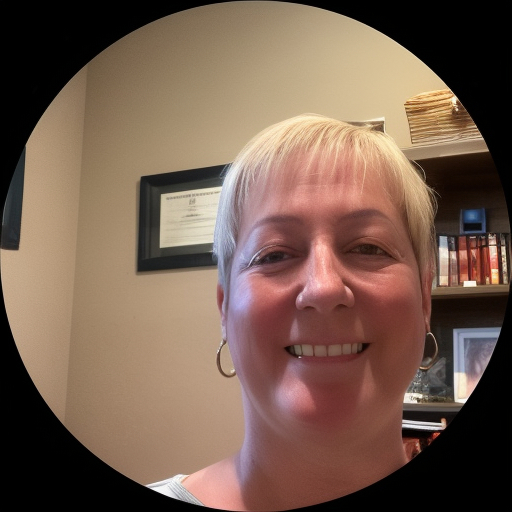




Katherine Eldean
LMFTCalifornia
- 20 yrs practicing
Stress, Anxiety · Addictions · Relationship · +16
Read profile
Keith Chilton
LMFTCalifornia
- 30 yrs practicing
Stress, Anxiety · Addictions · Relationship · +12
Read profile
Nathalie Contro
LMFTCalifornia
- 3 yrs practicing
- 2 languages
Stress, Anxiety · Addictions · Relationship · +15
Read profile
Chauncey Chatman
LMFTCalifornia
- 15 yrs practicing
Stress, Anxiety · Addictions · Trauma and abuse · +14
Read profile


Blanca Nicassio
LMFTCalifornia
- 8 yrs practicing
Stress, Anxiety · Relationship · Anger · +2
Read profile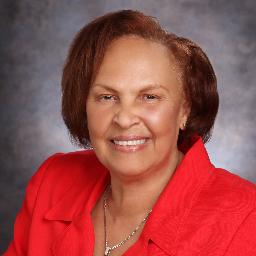
Eileen Maxwel
LMFTCalifornia
- 20 yrs practicing
Stress, Anxiety · Relationship · Family · +11
Read profile

Eric Aldaco
LMFTCalifornia
- 16 yrs practicing
- 2 languages
Self esteem · Coping with life changes · Relationship · +3
Read profile
Deana Porter
LMFTCalifornia
- 29 yrs practicing
Relationship · Family · Trauma and abuse · +13
Read profile

Sandra West
LMFTCalifornia
- 25 yrs practicing
Stress, Anxiety · Trauma and abuse · Grief · +2
Read profile
Jeanette Abney
LMFTCalifornia
- 20 yrs practicing
Stress, Anxiety · Addictions · Relationship · +2
Read profile

Cheryl Hopkins
LMFTCalifornia
- 40 yrs practicing
Stress, Anxiety · Relationship · Grief · +2
Read profile
Ginger Little
LMFTCalifornia
- 35 yrs practicing
Stress, Anxiety · Relationship · Trauma and abuse · +2
Read profile
Linda Alcala
LMFTCalifornia
- 10 yrs practicing
- 2 languages
Stress, Anxiety · Relationship · Trauma and abuse · +2
Read profile



Adam Lee
LMFTCalifornia
- 20 yrs practicing
Stress, Anxiety · Relationship · Self esteem · +2
Read profile
Dorothy O'Neill
LMFTCalifornia
- 13 yrs practicing
Stress, Anxiety · Relationship · Family · +2
Read profile


Gian Sarabia
LMFTCalifornia
- 6 yrs practicing
- 2 languages
Trauma and abuse · Intimacy-related issues · Bipolar · +10
Read profile

Deborah Perez
LMFTCalifornia
- 7 yrs practicing
Stress, Anxiety · Addictions · Self esteem · +6
Read profileOverview of Online Therapy in California
Online therapy has become a widely used option for people across California who want mental health support without traveling to an office. You can connect with clinicians who hold California licenses from cities along the coast to inland communities. Many therapists offer sessions using video, phone, or messaging formats so you can access care from home, a workplace break, or while traveling within the state. The digital format allows you to look beyond geographic proximity when selecting a therapist, which can help you find someone who speaks your language, focuses on your concerns, or uses approaches you prefer.
Because telehealth regulations and professional requirements are governed by California licensing boards, clinicians who list California licensure have agreed to practice under state standards. That means you will be interacting with professionals who are regulated by state authorities, though the way services are delivered can vary. As you explore profiles, you may notice a range of credentials such as LMFT, LCSW, LPCC, and licensed psychologists, each reflecting different training pathways and regulatory oversight in California. Understanding those credentials can help you decide which clinicians to learn more about.
Benefits of Online Therapy for California Residents
Online therapy can reduce several common barriers to getting help, including long commute times, parking hassles, and the time constraints of balancing work or caregiving. If you live in a rural area or a neighborhood with limited local options, teletherapy expands your choices by connecting you with clinicians across the state. The flexibility of remote sessions can also make it easier to fit appointments into a busy week, especially if you prefer evening or midday sessions. You may find that the convenience of meeting from your own home encourages more consistent attendance and continuity with a therapist.
Another advantage is the ability to match on nonclinical factors that matter to you. You can search for clinicians who list experience working with specific age groups, cultural backgrounds, or life situations. Many profiles include language information, so you can find someone who speaks Spanish, Mandarin, Tagalog, or other languages common in California communities. You might also notice therapists who list Cognitive Behavioral Therapy, EMDR, Acceptance and Commitment Therapy, Dialectical Behavior Therapy, or Internal Family Systems among their approaches. Reading profiles makes it easier to find clinicians whose methods and areas of emphasis align with your preferences.
What Issues Online Therapists in California Commonly Help With
Online therapists in California work with a wide range of concerns that people often address through telehealth. You can expect clinicians to assist with symptoms of anxiety and depression, relationship challenges, stress management related to work or school, and transitions such as moves or family changes. Many therapists also support parents navigating behavioral and developmental questions about children and adolescents, and adults working through grief, life stage shifts, or identity-related matters.
Because clinicians often list specialties on their profiles, you can identify those who emphasize areas like trauma, substance use recovery, LGBTQ+ related concerns, or workplace stress. When you encounter specific therapy approaches on a profile, keep in mind that a listing indicates the clinician includes that method among their approaches. For example, you may find therapists who list EMDR among their approaches for trauma-related work, or therapists who list DBT among their approaches for emotion regulation. Reading profile descriptions helps you understand how a clinician frames their work and whether their focus aligns with your goals.
How to Verify a Therapist's License in California
Understanding License Types
California regulates several mental health licenses that you will commonly see on online profiles. Licenses include Licensed Marriage and Family Therapist (LMFT), Licensed Clinical Social Worker (LCSW), Licensed Professional Clinical Counselor (LPCC), and licensed psychologists who hold Doctor of Psychology or PhD degrees. Each license type reflects a different training and supervision pathway as defined by California law. Knowing the basic differences can help you interpret a profile and choose clinicians whose background matches the kind of support you want.
Using the State License Lookup
If you want to confirm that a clinician holds a California license, the state licensing board offers an online lookup tool where you can search by name or license number. That resource shows whether a license is active, and it may display disciplinary actions or public records associated with the license. Checking the board's information gives you official confirmation that a clinician is authorized to practice in California under the standards set by the state.
What to Do if You Have Questions
If you find unclear or incomplete information on a profile, you can reach out to the clinician through the contact options provided and ask for clarification about licensure, professional background, or the types of clients they typically work with. A straightforward inquiry can give you a clearer sense of how they work and whether their training and experience match what you want. If you have concerns about a license status you discover through the state lookup, the licensing board can provide guidance on interpreting public records and filing a complaint if necessary.
How to Get Started and Tips for Choosing the Right Therapist
When you are ready to begin, start by narrowing profiles to those who list languages, populations, or approaches that matter to you. Read each profile to learn how a clinician describes their focus, the kinds of life challenges they address, and the formats they use for sessions. You can contact clinicians through the methods on their profile to request more information about their approach, fee structure, and general process for new clients. Framing questions around what you want from therapy - symptom relief, personal growth, relationship changes, or coping strategies - helps you determine whether a clinician’s emphasis matches your priorities.
Consider practical details as well. Think about what time of day you prefer for sessions, what kinds of technology you can comfortably use for video visits, and whether insurance, out-of-pocket fees, or sliding scale arrangements are important to you. If you plan to use insurance, ask how a clinician files claims or whether they provide the information you need for reimbursement. For your own comfort, choose a private space for sessions and test your internet connection, camera, and audio beforehand. Use headphones if you prefer added discretion and reduce background distractions to make the most of each appointment.
Finally, remember that an initial conversation is a way to assess fit rather than a commitment to a long-term process. You can evaluate whether a clinician’s communication style, pacing, and proposed approach feel helpful. If a clinician lists specific therapeutic approaches among their methods, you can ask how those approaches would apply to your situation. Trusting your sense of rapport matters, so take the time you need to connect with someone whose experience and style match what you are looking for.
Exploring online therapists in California gives you access to a diverse range of expertise and perspectives. By confirming licensure, comparing profiles for approaches and language, and thinking through logistics and personal preferences, you can identify clinicians who fit your needs and begin a path toward better mental health support that fits your life.
Browse Specialties in California
Mental Health Conditions (35 have therapists)
Addictions
871 therapists
ADHD
677 therapists
Anger
1033 therapists
Bipolar
573 therapists
Chronic Illness
330 therapists
Chronic Pain
330 therapists
Compulsion
349 therapists
Control Issues
830 therapists
Depression
1875 therapists
Disaster Relief Therapy
333 therapists
Dissociation
217 therapists
Domestic Violence
418 therapists
Eating Disorders
344 therapists
Gambling
293 therapists
Grief
1313 therapists
Guilt and Shame
1428 therapists
Impulsivity
622 therapists
Intimacy Issues
963 therapists
Isolation / Loneliness
1295 therapists
Midlife Crisis
828 therapists
Mood Disorders
958 therapists
Obsession
349 therapists
OCD
349 therapists
Panic Disorder and Panic Attacks
800 therapists
Phobias
236 therapists
Post-Traumatic Stress
1110 therapists
Postpartum Depression
458 therapists
Seasonal Affective Disorder (SAD)
428 therapists
Self Esteem
1850 therapists
Self-Harm
392 therapists
Sexual Trauma
411 therapists
Sleeping Disorders
347 therapists
Social Anxiety and Phobia
1133 therapists
Stress & Anxiety
2250 therapists
Trauma and Abuse
1526 therapists
Life & Relationships (33 have therapists)
Abandonment
860 therapists
Adoption
331 therapists
Aging and Geriatric Issues
430 therapists
Attachment Issues
1096 therapists
Blended Family Issues
745 therapists
Body Image
581 therapists
Career
891 therapists
Caregiver Issues and Stress
907 therapists
Codependency
791 therapists
Commitment Issues
591 therapists
Communication Problems
1823 therapists
Compassion Fatigue
736 therapists
Coping with Life Changes
1632 therapists
Divorce
1154 therapists
Family
1513 therapists
Family of Origin Issues
908 therapists
Fatherhood Issues
382 therapists
Fertility Issues
214 therapists
First Responder Issues
321 therapists
Forgiveness
1327 therapists
Foster Care
331 therapists
Hospice and End-of-Life Counseling
290 therapists
Infidelity
676 therapists
Jealousy
477 therapists
Life Purpose
1584 therapists
Money and Financial Issues
473 therapists
Parenting
1202 therapists
Pregnancy
456 therapists
Relationship
2002 therapists
Self-Love
1507 therapists
Separation
1154 therapists
Sexuality
512 therapists
Workplace Issues
961 therapists